Diy drain unblocking tips for croydon
Have you ever experienced a slow drain and wondered if it was a sign of something more serious? Recognizing the early signs of blocked drains can save you from costly repairs down the line!
What You Will Learn
- Indicators of blocked drains include slow draining sinks, unpleasant odors, gurgling sounds, and visible water pooling.
- Common causes of blockages in Croydon include tree roots, fatty deposits, foreign objects, and aging infrastructure.
- Signs that you should call a professional plumber include persistent clogs, frequent backups, bad odors, and water damage.
- Regular maintenance practices like routine inspections, flushing with hot water, and using drain covers can prevent blockages.
Understanding Blocked Drains: Signs, Causes, and Solutions
This visual summarizes the key aspects of blocked drains, from identifying the signs to understanding common causes and effective prevention methods discussed in the article.
Signs of Blocked Drains
- • Slow draining sinks or tubs
- • Unpleasant odors from drains
- • Gurgling sounds when draining
- • Visible water pooling around fixtures
Common Causes
- • Tree roots invading pipes
- • Fatty deposits (grease, oil)
- • Foreign objects (hair, soap, toys)
- • Aging infrastructure and pipes
Prevention Tips
- • Regular drain inspections
- • Flush with hot water often
- • Avoid pouring grease down drains
- • Use drain covers
When to Call a Professional
- • Persistent clogs after DIY attempts
- • Frequent backups
- • Bad odors indicating significant blockage
- • Signs of water damage or leaks
Understanding Blocked Drains: Signs and Causes in Croydon Victoria
Blocked drains can be a real headache for homeowners, especially here in Croydon. Whether it's a slow drain in your bathroom or backed-up water in the kitchen, knowing how to identify the signs of a blockage is crucial. It's important to stay aware of these signs so you can take action before the situation worsens!
Here are some common indicators that you might be dealing with blocked drains:
- Slow draining sinks or tubs, where water takes longer than normal to go down.
- Unpleasant odors coming from drains, which can indicate trapped food or waste.
- Gurgling sounds when water is draining, suggesting air is trapped in the pipes.
- Visible water pooling around fixtures, indicating a significant blockage.
If you notice any of these signs, don't hesitate to reach out for help! As a local plumbing expert, I often see how quickly these issues can escalate into more severe problems if left unchecked. For further guidance on identifying common drain blockages, consider resources like the Croydon Council's drain blockages guidance for householders.
Common Indicators of Blocked Drains at Home
One of the first steps in managing your plumbing is recognizing the signs of a blockage. Pay attention to any irregularities that occur in your home's drainage system. If you observe persistent issues with your sinks, showers, or toilets, it might be time to investigate further.
Common indicators include:
- Water backing up in sinks or bathtubs
- Frequent clogs that require multiple attempts to clear
- Increased insect activity near drain areas, which can indicate stagnant water
In Croydon, many homes face similar challenges due to the unique infrastructure and older plumbing systems. Being proactive can save you time and money in the long run!
Potential Causes of Drain Blockages in Croydon
Understanding what causes blocked drains can help you avoid them in the future. In Croydon, several factors contribute to these frustrating plumbing issues. For general information on drains and drainage in the area, the Croydon Council provides comprehensive information.
- Tree roots: Roots can invade pipes, causing major blockages.
- Fatty deposits: Grease and oil build-up from cooking can harden in pipes.
- Foreign objects: Items like hair, soap residue, or even toys can lead to significant clogs.
- Aging infrastructure: Older pipes are more prone to blockages and breaks.
Being mindful of these potential causes allows you to take preventative measures. And remember, if you find yourself facing a persistent issue, I'm here to help connect you with licensed plumbers who can provide effective solutions!
Common Plumbing Issues Faced by Homeowners in Croydon
Many Croydon homeowners experience a range of plumbing issues, but some are more prevalent than others. Below are a few challenges that can arise:
- Leaky pipes, which can lead to water damage and mold growth
- Blocked toilets, often requiring specialized tools to clear
- Hot water system failures, particularly in older homes
- Drainage problems due to heavy rain or flooding. In cases of significant flooding, it's important to understand who is responsible for managing such issues in Croydon.
As someone deeply familiar with the Croydon area, I know how these issues can affect your daily life. If you're experiencing any plumbing troubles, don't hesitate to reach out for professional assistance. It's always better to address these matters sooner rather than later!
Pro Tip
Did you know? Regularly flushing your drains with hot water can help dissolve grease and other buildups, keeping your pipes clear and reducing the risk of blockages. Make it a habit to do this at least once a month for optimal drain health!
When to Call a Professional Plumber in Croydon
As much as I believe in DIY solutions, there are times when you just need to call in the pros. Sometimes, your home’s plumbing needs exceed what you can handle with simple household methods. But how do you know when it’s time to pick up the phone? Let’s dive in!
Signs Your DIY Efforts Aren't Working
Have you tried everything from baking soda to plungers, yet those stubborn drains are still giving you trouble? Here are some signs that it might be time to call a professional plumber:
- Persistent Clogs: If your drains remain blocked after multiple attempts to clear them, it’s a clear signal that the issue is more serious.
- Frequent Backups: Regular backups can indicate underlying problems that require professional attention.
- Bad Odors: Unpleasant smells coming from your drains can mean there's a significant blockage or issue present.
- Water Damage: If you notice water pooling in your home or any signs of leaks, don’t hesitate to call for help!
Ignoring these signs can lead to bigger issues down the road. Remember, it's always better to be safe than sorry!
How to Choose a Reliable Plumber in Your Area
Finding the right plumber in Croydon can be daunting, especially with so many options out there. Here’s a quick guide to help you choose a reliable professional:
- Look for Licensing and Insurance: Always ensure the plumber is licensed and insured. This protects you from any liability.
- Read Reviews: Check online reviews or ask for recommendations from friends or family. Real experiences can guide you towards trustworthy professionals.
- Get Estimates: Don’t hesitate to ask for estimates from multiple plumbers. This can help you gauge fair pricing and service quality.
- Inquire About Experience: A plumber with a solid background and experience in dealing with local issues can offer better solutions.
At Plumber Croydon Victoria, we pride ourselves on being a reputable service that residents trust. If you’re ever in doubt, feel free to reach out to us for immediate assistance!
Emergency Plumbing Services Available in Croydon
We all know plumbing emergencies can strike when least expected! Here are some common situations where you’d want to call for emergency plumbing services:
- Burst Pipes: This can cause serious water damage if not handled promptly.
- Blocked Toilets: Especially if it's the only toilet in your home, quick help is needed!
- Overflowing Drains: This requires immediate attention to prevent flooding.
- Gas Leaks: Always an emergency—evacuate immediately and call a professional!
In Croydon, we are here 24/7 to respond to your plumbing emergencies. Just remember, if you’re in a pinch, don’t hesitate to reach out!
Maintaining Clear Drains: Prevention Tips for Homeowners
Preventative maintenance can save you from the headaches of blocked drains in the future. Let’s explore some essential tips to keep your drains clear!
Regular Maintenance Practices to Avoid Blockages
Keeping your drains healthy doesn’t have to be complicated! Here are some simple practices you can implement:
- Routine Inspections: Check your drains regularly for signs of wear and tear.
- Flush with Hot Water: Regularly pouring hot water down your drains can help dissolve grease and buildup.
- Avoid Pouring Grease: Never pour grease or oil down the drain, as it can harden and cause blockages.
- Use Drain Covers: Installing drain covers can catch debris before it enters your pipes.
By incorporating these simple habits, you can significantly reduce the chances of future blockages!
Importance of Grease Traps and Other Preventive Measures
Grease traps are vital, especially in kitchens where oily substances are common. Here’s why they’re essential:
- Prevent Blockages: They capture grease and food particles, preventing them from entering the main drainage system.
- Minimize Odors: A functioning grease trap can help reduce unpleasant smells in your kitchen.
- Comply with Regulations: Many local regulations require grease traps in commercial settings, safeguarding the community.
Installing a grease trap can be a fantastic investment, helping you save on costly plumbing repairs down the line!
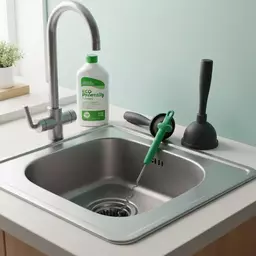
Essential Drain Cleaning Tools for Homeowners
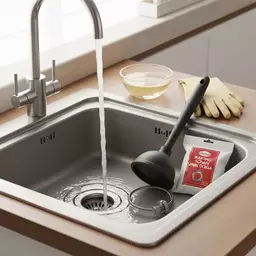
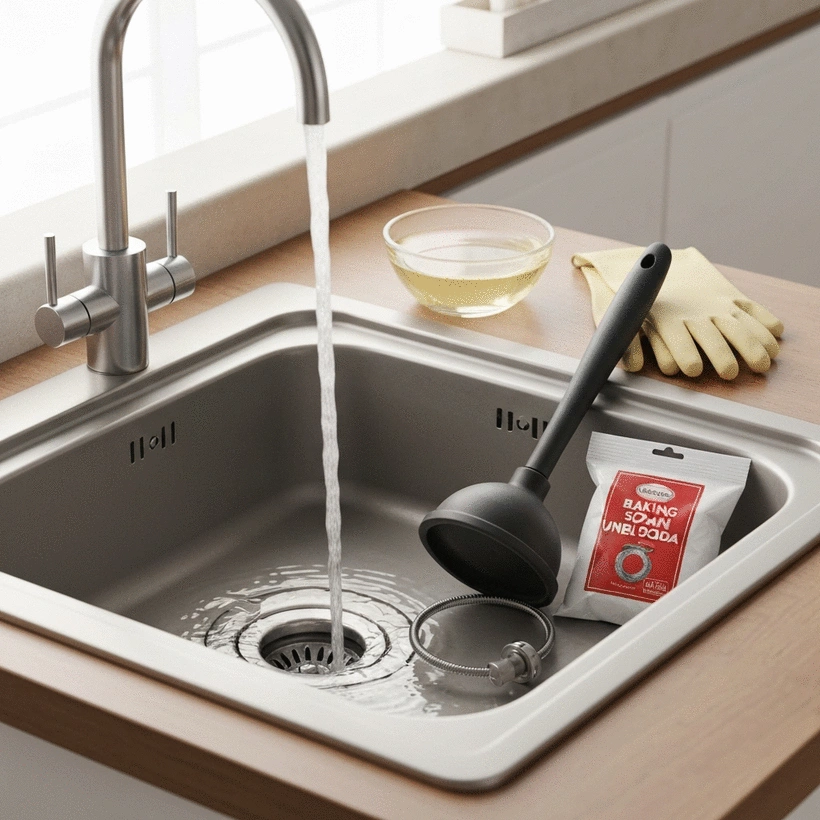
Equipping yourself with the right tools can make a big difference in maintaining clear drains. Here’s a list of essential items:
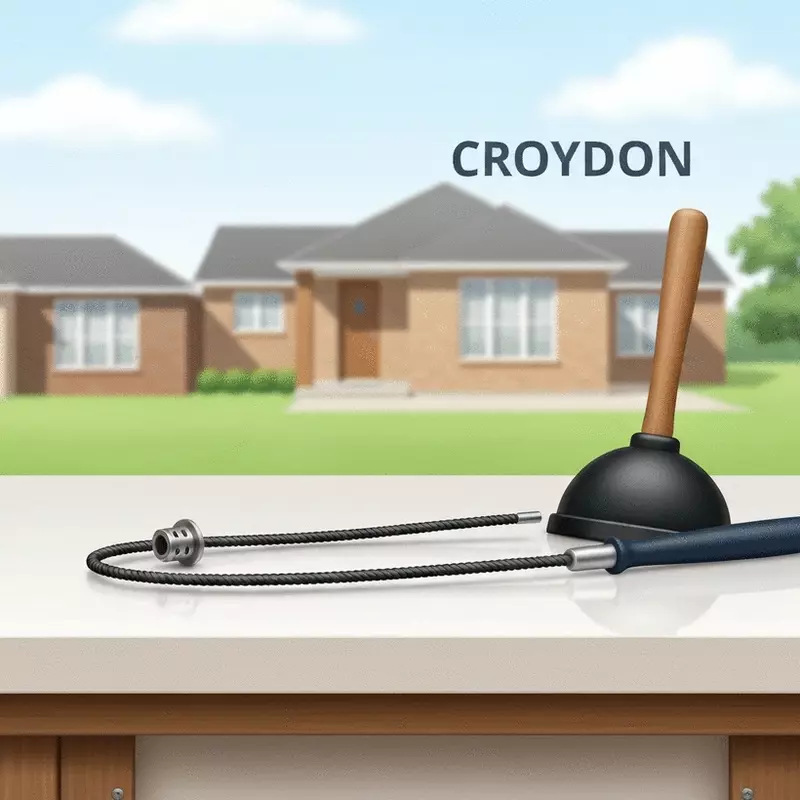
- Plunger: A must-have for any homeowner to tackle minor clogs.
- Drain Snake: Ideal for reaching deep blockages.
- Baking Soda and Vinegar: A natural duo for clearing mild blockages.
- Bucket: Useful for catching water during DIY attempts.
With these tools at your disposal, you’ll be better prepared to handle minor plumbing issues before they escalate!
Frequently Asked Questions about Blocked Drains
Q1: What are the primary signs of a blocked drain?
A1: The primary signs of a blocked drain include slow draining sinks or tubs, unpleasant odors emanating from drains, gurgling sounds when water is draining, and visible water pooling around fixtures.
Q2: What are common causes of drain blockages in Croydon?
A2: Common causes of drain blockages in Croydon include tree roots invading pipes, fatty deposits from grease and oil, foreign objects like hair or soap residue, and issues related to aging infrastructure and pipes.
Q3: When should I call a professional plumber for a blocked drain?
A3: You should call a professional plumber if your DIY attempts to clear a drain are unsuccessful, if you experience frequent backups, notice persistent bad odors, or see any signs of water damage or leaks.
Q4: How can I prevent drain blockages in my home?
A4: You can prevent drain blockages by performing regular drain inspections, flushing drains with hot water regularly, avoiding pouring grease or oil down the drain, and using drain covers to catch debris.
Q5: Are there any natural remedies for minor drain blockages?
A5: Yes, for minor blockages, a natural remedy like a mixture of baking soda and vinegar can be effective. A plunger is also a useful tool for tackling minor clogs.
Wrapping Up: Taking Action for Clogged Drains
As we wrap up, remember that being proactive about your plumbing can lead to fewer headaches down the road. If you’ve tried some DIY techniques and nothing seems to work, don’t hesitate to call a professional!
Summary of DIY Techniques Covered
From using baking soda and vinegar to employing a drain snake, there are plenty of methods to try before calling in the experts. Just remember to be safe and know when to escalate!
Final Thoughts and Encouragement to Seek Professional Help If Needed
Don’t let clogged drains disrupt your peace of mind. If you’re ever in doubt, Plumber Croydon Victoria is here to help with reliable, professional service. We’re just a call away, ready to tackle any plumbing challenge!
Recap of Key Points
Here is a quick recap of the important points discussed in the article:
- Be aware of signs of blocked drains, such as slow draining sinks, unpleasant odors, and gurgling sounds.
- Common causes of drain blockages include tree roots, fatty deposits, and foreign objects.
- Recognize when to call a professional plumber for persistent clogs, frequent backups, or water damage.
- Regular maintenance practices, like routine inspections and avoiding pouring grease down the drain, can prevent blockages.
- Essential tools for homeowners include plungers, drain snakes, and natural cleaning solutions like baking soda and vinegar.